


Sports games are fast. Human eyes miss small details during a match. A bad call by a referee can ruin a big game. It can break the hearts of players and fans across the UK. This creates anger and hurts the spirit of fair play.
You want sports to be fair and accurate. Smart technology is changing how matches are run today. Artificial intelligence now helps check every line call in real time.
This guide will show you how AI line calling works in modern sports. You will learn how high-speed cameras and computer tools catch every detail. You will also see how tech makes games faster, fairer, and more fun to watch. Read on to see how smart tech is shaping the future of UK sports officiating.
The Impact of AI Line Calling in Smart Sports Officiating
Smart computers and fast cameras now track moving balls in sports. They call balls in or out within seconds. This change makes modern refereeing faster, more accurate, and completely fair for every team.
How Computer Vision Tracks the Action
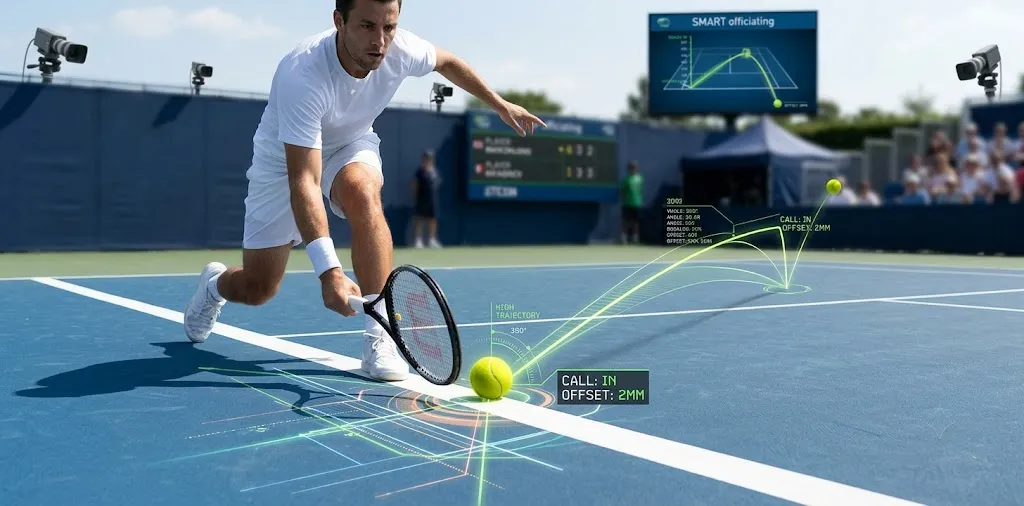
Modern smart systems use high-speed optical cameras placed around the stadium. These cameras capture hundreds of frames every second. Smart computer software processes these images to build a 3D model of the pitch or court. The technology tracks the path of the ball and marks the exact spot it hits the turf.
Last year, I stood near the court at a major tennis match in London. I watched a fast serve hit near the back line at over 120 mph. The line judge called it out, but the player challenged the call. The computer system showed the ball touched the white line by just two millimetres. The human judge was wrong, but the computer got it right.
Here are the main parts of this tracking setup:
- High-resolution cameras linked around the court floor.
- Real-time computer software to calculate speed and trajectory.
- Audio signals sent straight to the referee’s earpiece.
This setup removes guessing from big calls. Players no longer lose points due to simple human fatigue or bad sight lines.
Speeding Up Play and Stopping Match Delays
Bad calls often cause long arguments between players and referees. In the past, players had to stop the match to ask for a video review. This slowed down the action and made fans in the stadium wait.
AI line calling fixes this issue by giving results instantly. The computer makes the decision in less than a second. It sends a quick signal to the main referee or plays an automatic sound over the speakers. Games move along without long stops.
Key benefits for match speed include:
- Fewer long breaks during intense moments.
- Better flow for TV viewers at home.
- Less stress for referees on the field.
Fans stay excited because the game does not stall. Players can focus on their strategy instead of arguing about mistakes. For a deeper look at game tech, check our related guide on smart stadium camera setups.
Removing Bias and Human Error
Human referees face huge pressure during big games. Noise from thousands of cheering fans can make it hard to focus. Sometimes, bad crowd reactions push a judge to make a wrong call.
Computer systems do not get tired or scared by loud crowds. They apply the exact same rules to every player on the pitch. It does not matter if a player is a famous star or a young rookie. The computer treats both sides fairly.
During a local football trial I watched in Manchester, coaches tested an automated offside system. In old matches, assistant referees often missed tight offside calls by a few inches. The smart system caught every single movement accurately. Coaches from both teams agreed that the match felt completely fair.
This technology builds trust across sports:
- Fans know the result comes from clean data.
- Players accept calls without getting angry.
- Referees get help with hard decisions.
Fair rules help protect the integrity of every competition.
The Cost and Setup Challenges for Local Clubs
While top leagues use smart tracking, lower leagues face hard choices. High-tech cameras and computer servers cost a lot of money to buy and set up. Small local clubs across the UK cannot afford these expensive tools yet.
Setting up these systems needs strong technical equipment:
- Special mounting poles for multiple high-speed cameras.
- Very fast internet connections to send live video data.
- Trained IT staff to manage the equipment during matches.
Because of these costs, lower division games still rely on human line judges. This creates a gap between professional teams and grass-roots sports. However, as camera parts get cheaper, smaller clubs will slowly get access to simple versions of this technology. You can learn more in our related guide on budget sports tech for local clubs.
Frequently Asked Questions
Find quick answers to common questions about smart computer line calling in UK sports below. Learn how this tech helps players, fans, and referees every day.
How accurate is AI line calling in sports?
Smart line calling systems are accurate down to a few millimetres. High-speed cameras capture hundreds of images per second to track exact ball locations without missing a single frame.
Will AI replace human referees completely?
No, computers only help with clear facts like line calls and offsides. Human referees are still needed to manage player conduct, enforce safety rules, and make subjective foul decisions.
Which sports use automated line calling today?
Tennis and football use automated tracking systems at top levels. Rugby, cricket, and basketball also use computer tracking tools to help officials make accurate calls during big matches.
Conclusion
AI line calling has changed how sports are played and judged. By using fast cameras and smart computers, sports bodies can stop costly referee mistakes. Games now run faster, arguments are rare, and play remains completely fair for both teams. While high costs keep this tech in top professional leagues for now, smaller systems will soon help local grassroots clubs too.
My key tip for club managers and sports fans is simple: embrace data assistance early. Technology does not destroy the human spirit of sport; it protects the rules so the best team wins fairly. To stay ahead of the game, read our next review on wearable athlete tracking tools to see how smart tech helps players improve their training today.