

More people than ever watch women’s sports today. TV views are up, and stadium seats are full. Yet, many fans and brands still do not know how fast this industry grows. If you want to invest, work in media, or support female athletes, you need clear facts. It can be hard to find accurate info about UK TV deals, brand money, and fan trends.
This guide makes it simple. You will learn how women’s sports grew from small events into huge money-makers. We show you where the growth comes from and how big brands put cash into female teams. We also explain how media channels show these games today. By the end of this post, you will understand the UK women’s sports market completely and know how to take part in its bright future.
Growth of Women in Sports Media and Sponsorship
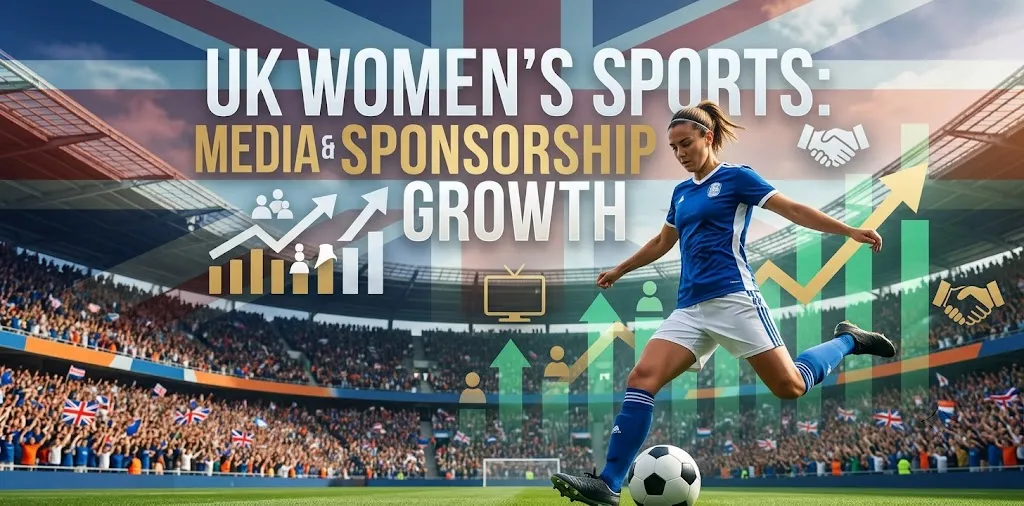
Women’s sports in the UK now attract millions of viewers, huge brand deals, and massive arena crowds every single year. Here is how this big shift happened.
Record TV Audiences and Media Coverage
More TV channels show live women’s games now than at any time in history. The BBC and Sky Sports stream top events like the WSL and the Women’s Super League to millions of homes. When fans can watch games easily on free TV, viewing numbers skyrocket. Major events like the UEFA Women’s Euro brought in record UK viewer numbers. Streaming apps also let young fans watch highlights on their phones. Media companies see that people want this content, so they pay more money for broadcasting rights. Higher rights fees give leagues the cash they need to build better stadiums and hire top staff.
- Free TV Access: Showing games on public channels helps build a big base of casual fans.
- Prime Time Slots: Networks put women’s football and netball on TV during weekend evenings.
- Digital Clips: Short video clips on social media bring in millions of younger followers.
Last year, I went to a local sports pub in Manchester during a major women’s football match. Five years ago, that pub only showed men’s games. That night, every single screen had the women’s match on, and the room was packed with cheering fans. It was clear evidence that public interest has shifted for good.
The Explosion of Corporate Sponsorship
Big brands do not look at female sports as a good deed anymore. They see it as a smart business choice that brings high rewards. Companies like Barclays, Visa, and O2 put millions of pounds into long-term team deals. These brands know that female sports fans are very loyal. Fans often buy products from companies that support their favorite female athletes. Sponsorship money pays for professional contracts, youth training centers, and modern practice grounds. This financial support helps players train full-time instead of working second jobs.
- Direct Team Funding: Cash goes right into facilities, coaches, and player salaries.
- Special Product Lines: Brands create boots and kit designed specifically for women’s bodies.
- Values Alignment: Companies join with sports that champion equality, respect, and family fun.
A great example is the Barclays deal with the Women’s Super League. The bank invested millions to help turn the league fully professional. This move brought in top international stars and raised the level of play across the whole country. Check out our related guide on how sports brands build winning ad campaigns to learn more about brand strategy.
Rise in Matchday Attendance and Stadium Records
More fans buy tickets to watch women play live in giant stadiums. Teams no longer play only on small local grounds. They now fill huge places like Wembley Stadium and Emirates Stadium. Selling tens of thousands of tickets brings in high matchday income from food, drinks, and team shop sales. Clubs build stronger bonds with local communities by keeping ticket prices fair for families. Young girls and boys now grow up seeing female athletes play in packed arenas. This inspires the next generation of players and season ticket holders.
- Family Tickets: Low prices make it easy for parents to bring their kids to games.
- Main Arena Matches: Clubs move big derby games into main team stadiums to host larger crowds.
- Fan Fan Zones: Teams set up games, music, and food stalls outside grounds to create a fun day out.
During a recent trip to London, I watched a women’s North London derby at a full stadium. The crowd was full of families, and the mood was friendly and safe. The club sold out of team shirts before the match even started. You can read our related guide on how to buy matchday tickets for top UK sports venues to plan your own trip.
Frequently Asked Questions
Common questions people ask on Google about women in sports media and brand deals.
Why are brands investing more in women’s sports today?
Brands invest because women’s sports offer high audience growth and loyal fans. Fans respect companies that support equal play, which makes brand ads much more effective.
How do TV networks make money from female sports events?
Networks make money through ads, paid subscriptions, and sponsorship deals during matches. High viewer numbers let channels charge brands more money for TV ad spots.
Are female athletes in the UK paid full-time wages now?
Yes, top female athletes in sports like football, cricket, and rugby now earn full-time pay. Lower divisions and smaller sports are also raising pay every year.
Conclusion
The growth of women’s sports in the UK is a major success story. Media channels show more live games than ever before, and viewing numbers keep going up. Big companies put millions into team sponsorships because they see real business value. Packed stadiums prove that fans love watching these events live. Female athletes now earn full professional salaries, which raises the level of play across every sport. This cycle of investment and fan interest will only grow stronger in the coming years.
To capitalize on this trend, start following local female teams or invest early in women’s sports media channels. Your next step is to pick one upcoming event, buy a ticket, and see the energy in the stadium for yourself.