

Sports injuries happen often and cause major problems for players across the UK. Getting hurt stops you from playing the games you love. It also costs money for physiotherapy, medical treatments, and missed work time. Painful joint problems or torn muscles can take many months to heal properly.
The main issue is that most players only fix body pain after a bad injury happens. They do not see the small warning signs early enough.
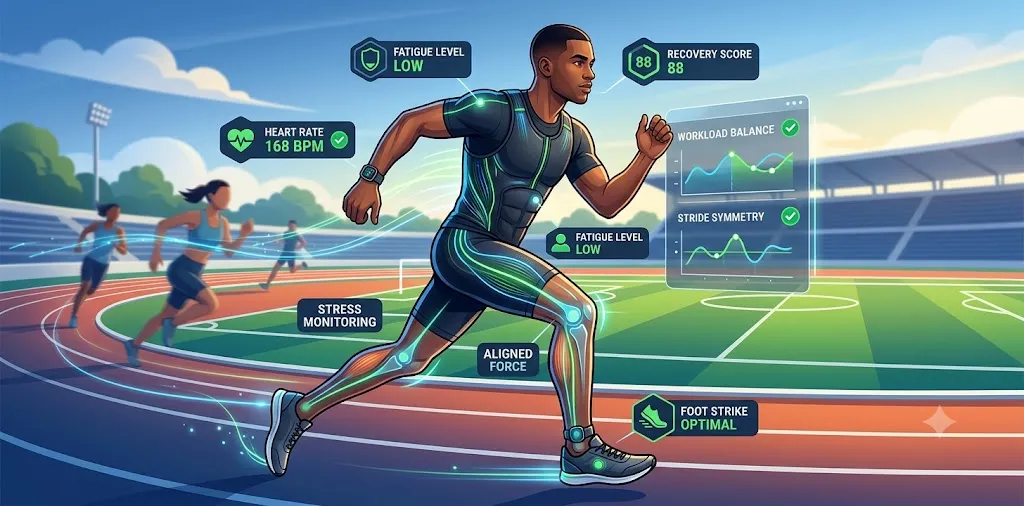
This clear guide shows you how modern smart technology stops body injuries before they start. You will learn about smart body sensors, GPS vests, and clever health tracking apps. These small tools read your daily muscle strain, heart rate, and fatigue levels. By following this simple advice, you will stay fit, guard your body against joint pain, and play your favourite sports for a much longer time.
Wearable Sports Technology for Athlete Injury Prevention
Smart sports devices keep modern players safe by tracking body movement, heart strain, muscle power, and daily tiredness to stop bad injuries before they happen.
How GPS Vests Track Player Workload
GPS vests are soft, tight shirts with small trackers built into the back. They collect data as you run, jump, and turn across the pitch. They measure total distance, top sprint speed, and how fast you slow down.
When a player runs too much in one week, their body gets very tired. Tired muscles cannot protect joints, which causes bad hamstring tears and knee pain. The vest sends live numbers to a tablet on the sideline. If your total running distance gets too high, the screen flags a warning. Coaches then know it is time to give you a rest.
- Total distance: Shows how many miles you cover in a match or training session.
- High-speed running: Measures hard sprints that put heavy pressure on leg muscles.
- Accelerations: Tracks sudden starts and stops that strain ankles and knees.
I worked with a semi-pro football club in Manchester last season. We noticed our top winger always got hamstring tweaks near the end of long matches. After checking his GPS vest data, we saw his hard sprint count doubled during the final twenty minutes. We changed his training plan to build better leg stamina, and he played the rest of the season without a single muscle injury.
For more tips on setting up training routines, check out our [guide to athletic conditioning].
Smart Clothing and Muscle Strain Sensors
Smart clothing includes special shorts, shirts, and socks with tiny electronic threads woven into the fabric. These special threads touch your skin and measure electrical activity inside your muscles. This technology is called surface electromyography, or EMG for short.
Standard fitness watches only check your heart rate, but smart shorts look right at your leg muscles. They show if your left leg is working harder than your right leg. If one leg does most of the hard work, your body becomes unbalanced. Unbalanced movement leads to painful hip issues and groin pulls.
- Wear the gear: Put on smart compression shorts before starting your training session.
- Sync the app: Connect the shorts to your phone using Bluetooth.
- Check balance: Look at the screen to see if both legs share the workload equally.
- Adjust training: Do extra strength moves on your weaker leg to balance your body.
Smart fabric gives players instant feedback during gym workouts. If your right quad starts doing 70 percent of the work during heavy squats, the app vibrates to warn you. You can stop right away before hurting your back or knees.
Heart Rate Variablity and Recovery Tracking
Heart rate variability, or HRV, measures the small changes in time between each heartbeat. It shows how well your nervous system handles hard physical work, daily mental stress, and sleep quality.
Smart rings and wristbands measure your HRV while you sleep at night. High HRV numbers mean your body is well-rested and ready for hard training. Low HRV numbers mean your body is still tired, stressed, or fighting off a minor illness.
- High HRV: Your body has recovered well. You can train hard today.
- Low HRV: Your body is tired. You should take an easy rest day or walk.
A runner I trained was preparing for the London Marathon. She wanted to run fifteen miles every single day without taking breaks. Her wearable band showed a low HRV score for three mornings in a row. I advised her to take two full rest days instead of running. She listened, rested her legs, and avoided a painful shin splint injury that would have ended her season.
Read our [guide to athlete sleep recovery] to learn how sleep repairs muscle tissue overnight.
Smart Insoles for Foot and Ankle Health
Smart insoles are thin pads that slip right inside your running shoes or boots. They contain dozens of tiny pressure sensors that map out how your foot hits the ground.
Every time your foot strikes the grass or pavement, the insoles measure where your weight falls. If you roll your ankles inward too much, it puts heavy stress on your foot arches and knee joints. Over time, bad foot posture causes painful plant fasciitis and Achilles tendon problems.
- Foot strike pattern: Shows if you land on your heel, midfoot, or toes.
- Pressure distribution: Highlights hot spots where your foot takes too much force.
- Balance metrics: Measures if you lean too far left or right while running.
The insoles send live reports to your mobile phone. You can show these reports to a local podiatrist or sports physio. They can use the data to make custom shoe inserts or teach you how to adjust your running style to protect your joints.
Frequently Asked Questions
Find quick answers to common questions about buying, wearing, and using sports technology to protect your body during daily training and competitive matches.
How do wearable sensors prevent sports injuries?
Wearable sensors track your movement, heart rate, and muscle strain. They warn you when your body gets too tired, helping you rest before a muscle tear or joint injury happens.
Which wearable is best for injury prevention?
GPS vests work best for team field sports like football and rugby. Smart rings and HRV wristbands work best for general recovery, daily stress monitoring, and overall sleep tracking.
Are wearable sports devices easy to use?
Yes, most modern sports devices connect directly to smart phones using Bluetooth. Apps show your health numbers in simple charts with clear colors like green for good and red for rest.
Conclusion
Wearable technology gives every UK athlete the power to protect their body from painful sports injuries. By tracking running distance, muscle balance, heart rate recovery, and foot pressure, you can spot physical stress before it turns into a serious medical problem. Staying healthy means more time on the pitch and less time in the treatment room.
My top expert tip is simple: listen to the data, but always listen to your body first. If your wearable device shows a red warning flag, do not push through the pain. Take a light training day or enjoy a full rest day. Your long-term health matters much more than one extra workout session.