

Artificial intelligence, or AI, is growing fast in the UK. Computers can now write, draw pictures, and help doctors make decisions. But this new tech brings some real problems. Many people worry about how computer tools use their personal data. Others worry that smart machines might take away their jobs or make unfair choices.
It can feel hard to understand all the tech talk around AI ethics. You might worry about your privacy or what this tech means for your children’s future.
This simple guide breaks down the big concerns in easy steps. You will learn about fairness, safety, and how smart tools affect everyday life. By the end, you will know what to look out for and how to protect your rights in a digital world.
Ethical Concerns in Artificial Intelligence Development
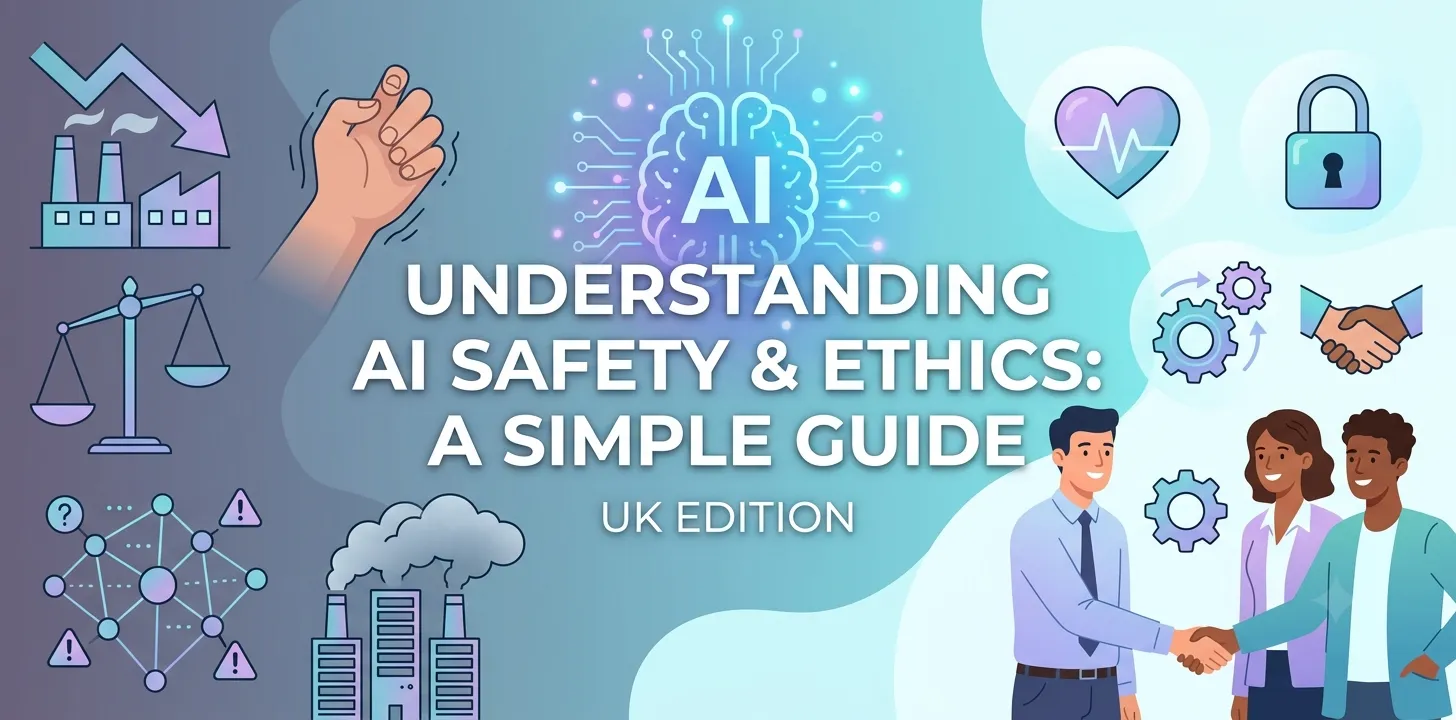
Developing smart computer tools brings big questions about right and wrong. We must look at bias, privacy, job loss, and safety to make sure tech helps everyone.
Bias and Unfair Treatment in Smart Systems
Smart systems learn by looking at huge amounts of old data. If the old data contains unfair human decisions, the tool copies those mistakes. This means a computer might treat someone poorly because of their age, race, or gender without anyone realizing it.
In 2022, a small recruitment firm in London tested a new computer program to read CVs. The program skipped top women applicants because it learned from ten years of male-dominated hiring records. Catching these mistakes early is vital for fair hiring.
Here are three ways bias happens in smart tools:
- Unbalanced data: The computer only learns about one group of people.
- Historical prejudice: Old human mistakes get copied into new software.
- Bad testing: Coders forget to test the tool on different types of users.
When companies use smart tools to grant bank loans or screen job applications, bad data leads to unfair outcomes. Tech makers must check their data carefully before launching any tool to the public. If you want to learn more about keeping your computer safe, read our [guide on basic data privacy rules].
Privacy and the Way Data Is Gathered
Smart systems need mountains of personal information to learn. They scan social media posts, search records, private emails, and public photos. Many UK citizens do not know how much of their personal life is saved on distant servers.
- Mass scraping: Programs take text and pictures off the web without asking.
- No clear consent: People click “agree” without reading long, complex terms.
- Data leaks: Large stores of personal data can get stolen by hackers.
When a company collects your private details, they might sell it to advertisers or use it to train new tools. Once your data enters a large learning set, it is almost impossible to remove it. You lose control over your own private life and identity.
People need simple ways to opt out of data collection. Laws in the UK try to protect web users, but technology moves faster than the rules. Developers must build tools that respect user boundaries by default.
Job Changes and the Future of Work
As computer tools get smarter, they can do tasks that humans used to do. Office workers, writers, customer service agents, and artists fear they may lose their jobs to software. This creates stress for families across the UK.
While tech creates some new roles, it destroys older ones much faster. A local marketing team in Manchester recently replaced two junior writers with a text program. The output was fast, but it lacked real human feeling and needed constant fixes by senior staff.
Here is how work is shifting right now:
- Routine tasks: Fast software now does simple typing and filing jobs.
- Creative work: Machine tools generate basic art and copy in seconds.
- Skill gaps: Older workers need retraining to keep up with new tools.
We must support workers as technology changes the workplace. Business leaders should use smart tools to help staff, not just to replace them to save money.
Lack of Clarity and the Black Box Problem
Many modern computer models are so complex that even their creators cannot explain how they reach a decision. This issue is called the “black box” problem. When a system rejects a loan or flags a medical scan, no one can see the exact steps it took.
This lack of clarity causes big issues when things go wrong:
- No accountability: It is hard to fix an error if you cannot see the cause.
- Lost trust: People do not trust system decisions they cannot review.
- Legal issues: Courts cannot check if a machine followed the law.
If a hospital computer misdiagnoses a patient, doctors must know why it happened. Without clear answers, people cannot appeal bad choices made by machines.
Developers must design tools that explain their steps in plain language. If a system affects human lives, it must be open to inspection. For tips on managing software safely, check our [guide to workplace tech standards].
Environmental Impact of Computer Power
Running large computer networks takes vast amounts of electricity. Data centres filled with heavy server stacks run day and night to train high-level systems. This heavy power use releases tons of carbon into the air.
Data centres also need millions of litres of fresh water to keep their hot equipment cool. In dry summers, this water use hurts local environments and communities.
- High energy use: Training one large system uses as much power as many homes use in a year.
- Electronic waste: Old server parts get thrown away as hardware updates quickly.
- Water drain: Cooling systems take fresh water away from local supplies.
Tech companies must switch to clean energy like wind and solar power. They should also build more efficient programs that use less electricity.
Fake Content and Misinformation
Smart tools make it cheap and easy to build fake news, fake pictures, and fake voice recordings. Bad actors use these tools to trick people, steal money, or manipulate political votes.
- Deepfake images: Fake photos look completely real to the untrained eye.
- Voice cloning: Scammers copy a person’s voice to trick their family members.
- Automated spam: Programs post thousands of fake comments on social sites.
When people cannot trust what they see or hear online, society loses trust. It gets hard to tell truth from lies during major events.
We need clear labels on all content made by machines. Tech companies must build detection tools to spot and flag fake media before it spreads widely online.
Frequently Asked Questions
Understanding smart tech ethics can feel tricky. Here are quick, direct answers to three common questions people ask online about safe computer development today.
What is the biggest ethical risk of AI?
The biggest risk is unfair bias. If smart tools learn from flawed human data, they make unfair choices about jobs, loans, and justice without anyone noticing or stopping them.
Who is responsible when a smart tool makes a mistake?
The company that built and deployed the tool is responsible. Machines cannot take legal blame, so human owners and developers must answer for any harm or errors caused.
How does smart software affect my online privacy?
Smart software collects and scans your online searches, posts, and habits. Companies use this private data to train tools or target you with specific ads without your explicit choice.
Conclusion
Developing smart tools brings many great benefits, but we must watch out for the risks. From hidden bias and privacy loss to job changes and high power use, these issues affect everyone in the UK. Computer tools should make human life better, safer, and fairer. They must never harm people or strip away basic rights for the sake of fast growth.
As a quick expert tip, always check the privacy settings on every new app or website you use. Turn off options that let companies use your personal data to train their computer systems. Taking two minutes to lock down your settings keeps your private life safe.
Your next step is simple. Take time to talk with your family, coworkers, or employer about how you use digital tools every day. Stay informed, ask tough questions about new tech, and support businesses that use software in an honest, open way.