

Starting a small business in the UK is hard work. You have big ideas, but you might feel stuck on how to grow. Many new business owners struggle to find customers and manage tight budgets. This guide will show you simple steps to get more sales and make your business strong. You will learn easy ways to market your brand, win loyal buyers, and manage your cash. By following these clear steps, you can save time, avoid common mistakes, and watch your business thrive. Let us get started on building your path to long-term success.
Small Business Growth Strategies for UK Startups
Growing a new UK business requires smart planning, strong local connections, and careful money management. Use these detailed steps to reach more customers and increase your total profits.
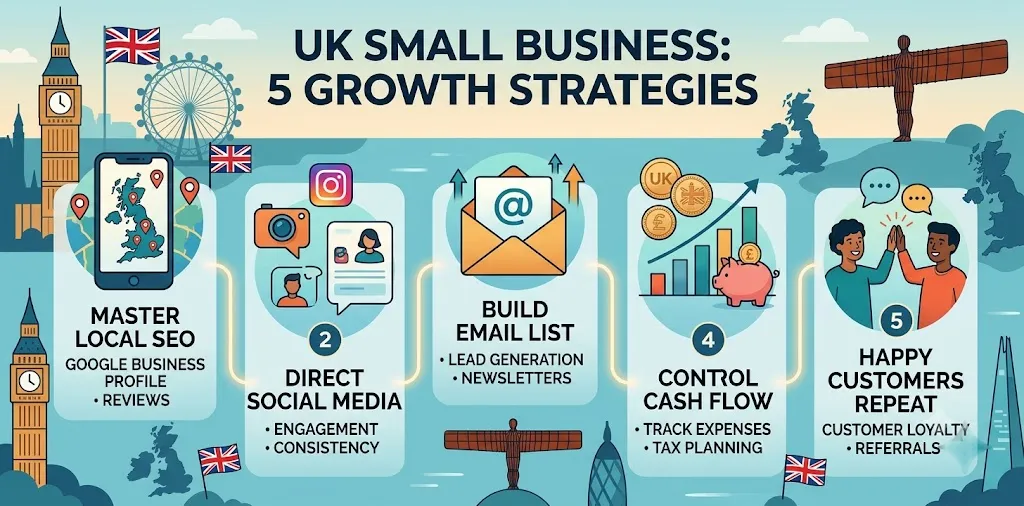
Master Your Local Search Engine Profile
Local customers need to find you quickly when they search online. Set up a free Google Business Profile. Put your exact business name, address, and phone number on the page. Add clear pictures of your shop, team, or products. Ask every happy customer to leave a short review for you online.
I helped a small bakery in Leeds set up their map profile last year. Within two months, foot traffic grew by thirty percent because local shoppers found them on their phones.
To boost your local reach:
- Fill out every detail on your main online profiles.
- Add your business to trusted UK directories like Yell.
- Update your opening hours before public bank holidays.
- Reply to every customer review within two days.
When local people see high ratings and correct details, they trust you right away. Search engines also rank your page higher when your information matches across the web. You can learn more about building a site in our related guide on digital setup.
Use Direct Social Media Marketing
You do not need to post on every social app. Pick one or two platforms where your ideal UK buyers spend their time. Instagram works well for visual items like clothes or food. LinkedIn is better if you sell services to other companies.
Share helpful tips instead of just asking people to buy. Show short videos of how you make your items or perform your service. Answer comments fast to build real relationships with your followers.
Follow these simple rules:
- Post three times every week on a set schedule.
- Share helpful tips that solve a small problem for free.
- Show behind-the-scenes video clips of your everyday work.
- Partner with other local brands to share each other’s posts.
Consistent posts make your brand familiar to people. When they need your service, they will think of you first.
Build a Strong Email List
Social media algorithms change often, but your email list belongs to you. Start collecting email addresses from day one. Offer a small reward, like a ten percent discount code or a helpful PDF checklist, in exchange for an email address.
Send a short newsletter every two weeks. Share useful news, special discounts, and quick tips. Keep your messages friendly and short so people enjoy reading them.
Key items to include in your emails:
- A warm welcome message for new subscribers.
- Quick updates about your new goods or services.
- Special discounts only for email readers.
- Direct links to helpful articles on your website.
Email marketing brings high sales for very little money. Check out our related guide on customer retention to see how to write better messages.
Control Your Cash Flow Carefully
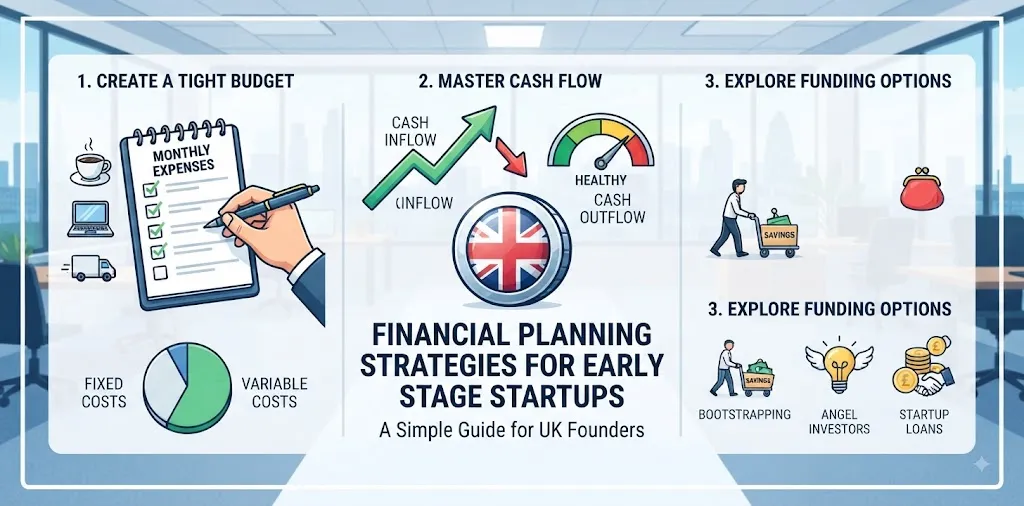
Many new shops close because they run out of cash, even if they have good sales. Track every pound that enters and leaves your bank account. Use simple accounting software like Xero or QuickBooks to track your income.
Set money aside every month to pay your UK taxes on time. Ask suppliers for sixty-day payment terms so you keep cash in your account longer.
In my first year running a small consulting firm, I checked my bank balance every morning. That quick habit helped me spot late payments early and keep the lights on during quiet winter months.
Good money habits:
- Send invoices the moment you finish a job.
- Follow up on late bills after three days.
- Keep three months of operational costs in savings.
- Separate your personal money from your business account.
Frequently Asked Questions
Find quick answers to common questions about starting and growing a successful new business in the UK.
How much money do I need to start a UK small business?
You can start many UK businesses with less than five hundred pounds. Focus on low overhead costs, work from home if possible, and buy equipment only when you make sales.
How do I get my first customers in the UK?
Tell friends and family about your new service. Join local business groups, set up your free local map profile online, and offer small opening discounts to early buyers.
Do I need to register for VAT right away?
No, you only must register for VAT if your taxable sales reach eighty-five thousand pounds in twelve months. Voluntary registration can help if you sell mostly to other VAT-registered businesses.
Conclusion
Growing a small business in the UK takes time, clear planning, and steady work every day. You do not need a massive budget to make great progress. Focus on setting up your local search profile, talking directly to buyers on social media, building an email list, and watching your cash closely. Small, daily actions build big results over time.
My top expert tip is to focus on keeping your current customers happy before trying to find new ones. Repeat buyers buy more often and tell their friends about your work for free.
Your clear next step today is to claim and fill out your free Google Business Profile. Spend thirty minutes adding your details and photos. That single task will help local UK customers find your business right away.