

Do you want to help your team win more games? Are you tired of players getting hurt during training? Tracking athlete performance in real time is the answer. Many coaches in the UK struggle to know when a player is too tired. They rely on guesswork. This guide changes that. You will learn how modern tracking tools work, why top UK clubs use them, and how you can pick the best setup for your budget. By the end of this guide, you will know how to collect live data, spot injury risks early, and boost your team’s results on match day.
Real Time Athlete Performance Tracking Systems
Real time tracking systems use small wearable sensors and clever software to measure how fast, far, and hard an athlete moves while playing or training.
How Wearable Sensors and GPS Trackers Work
Wearable technology has changed modern sports. Athletes wear small devices in special vests between their shoulder blades. These small pods contain Global Positioning System (GPS) chips, heart rate monitors, and accelerometers. The GPS tracks where the player moves on the pitch. It shows total distance run and top speed. Accelerometers measure quick shifts in speed, jumping height, and hard impacts.
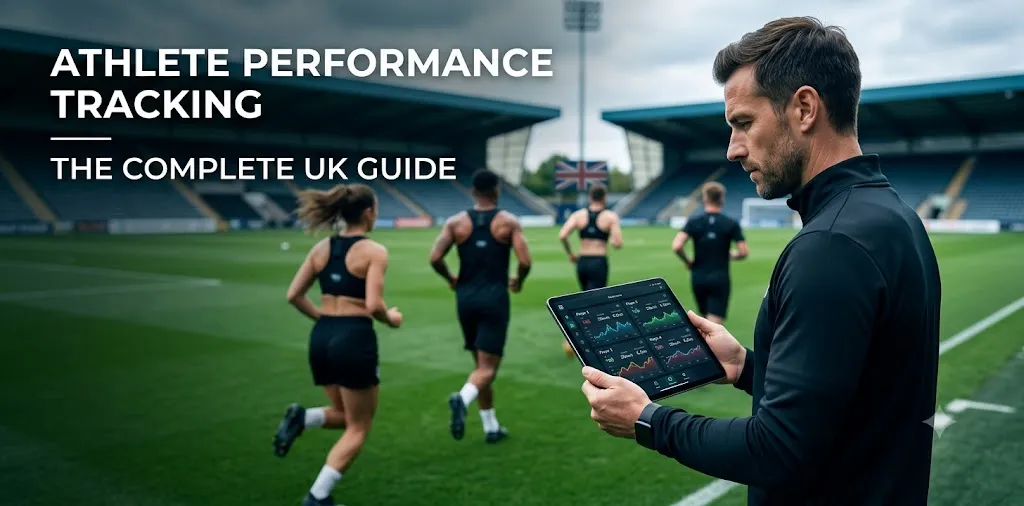
All this data travels wirelessly to a tablet on the sideline in seconds. A coach can watch dynamic metrics right from the bench. For example, during a heavy rainy session at a local pitch in Leeds, our coaching team noticed a midfielder’s sprint speed drop by 15 percent in ten minutes. The live data showed high physical stress. We rested him early and saved him from a bad hamstring pull.
To get the most out of these devices, your setup needs three key items:
- High-frequency GPS units (10Hz or higher) for pinpoint accuracy
- Comfortable base-layer vests that stop the pod from moving around
- Reliable field receivers to collect live signals without dropping out
Using these tools gives you clear facts instead of gut feelings.
Live Heart Rate Monitoring and Load Management
Heart rate tracking tells you how hard a player’s body is working on the inside. External load is what you see, like distance run. Internal load is how the heart responds to that work. Real time tracking combines both to show the full picture.
Coaches look at heart rate zones to manage training load. If a player stays in their maximum heart rate zone for too long, their body breaks down. Live monitoring helps you adjust drills on the spot. If a session is too hard, you shorten the pitch or add extra rest periods.
Here is a simple way to use live heart rate zones during training:
- Zone 1 (Warm-up): 50% to 60% of max heart rate for light recovery
- Zone 2 (Aerobic Base): 60% to 70% of max heart rate for endurance building
- Zone 3 (Threshold): 70% to 80% of max heart rate for game-speed drills
- Zone 4 (Red Line): 80%+ of max heart rate for short, high-intensity intervals
Tracking these zones keeps your squad fit without pushing them over the edge.
Stopping Injuries Before They Happen
Preventing injuries is the biggest reason UK clubs buy tracking tech. When athletes get too tired, their form gets sloppy. Sloppy movement leads to pulled muscles, torn ligaments, and long breaks from the sport.
Real time systems track acute-to-chronic workload ratios. This formula compares what a player did this week to what they did over the last month. If a player’s workload spikes too fast, their risk of injury jumps up. The software sends an alert to the tablet on the sideline. You can pull the player off the pitch before a pull or tear happens.
A semi-pro rugby club in the Midlands started using live load tracking two seasons ago. By pulling players who hit high strain thresholds during mid-week sessions, they cut soft-tissue injuries by 35 percent in one year.
Look for these red flags on your live monitor:
- Sudden drops in top speed during late drills
- Uneven force when pushing off the left or right leg
- High heart rate that takes a long time to drop back down
Catching these signs early keeps your best players fit for match day. (For more advice on building stronger athletes, read our [related guide on winter conditioning for UK teams].)
Using Match Data to Improve Tactics and Strategy
Data is not just for fitness staff. Tactical coaches use live tracking to fix positioning and team setup during games.
Sensors show heatmap data as the match takes place. You can see if your wingers are staying wide or crowding the middle. You can check if your back line holds its shape when the opponent counter-attacks. If your team starts losing ground in the second half, the data shows whether it is a tactic issue or a fitness problem.
Coaches use this information to make smart sub choices:
- Subbing off a defender who shows a sharp drop in sprint efforts
- Changing formation when midfield coverage drops below key targets
- Spotting tactical gaps where players fail to cover required ground
Making changes based on real numbers gives your team an extra edge when games are tight.
Picking the Best System for UK Sports Clubs
Finding the right tracking tech depends on your budget, field access, and sport. Top Premier League teams use elite systems with pitch-side antennas. Smaller amateur or youth clubs need budget-friendly options that run on simple iPad apps.
Before buying, check if the system works indoors if you train in sports halls during bad weather. Standard GPS does not work well under roofs, so you need Ultra-Wideband (UWB) tech for indoor sports like basketball or netball.
Consider these factors before buying equipment:
- Ease of Use: Can a coach set up the system in under ten minutes?
- Battery Life: Do the pods last through multiple sessions without charging?
- Data Security: Does the software meet UK data protection standards for young players?
- Cost: Are there hidden yearly software fees after buying the hardware?
Take time to test units on the pitch before buying a full set for your squad. (You can also view our [related guide on choosing sports software] for a full checklist.)
Frequently Asked Questions
Find quick answers below to common questions coaches ask about live performance tracking tech, software setups, and budget requirements for UK teams.
How much do athlete tracking systems cost in the UK?
Basic systems cost around £1,500 for ten units. Top-tier professional setups with live pitch antennas and complex analytics software can cost over £10,000 per year.
Do GPS trackers work for indoor sports?
Standard GPS signals struggle indoors. For indoor halls, teams use Ultra-Wideband (UWB) or optical camera systems to track player movement and speed accurately.
Are wearable trackers safe for contact sports?
Yes. Pods sit inside a padded pocket on a tight vest between the shoulder blades. This spot protects the player and equipment during hard tackles.
Conclusion
Tracking athlete performance in real time gives your team a clear edge. You no longer have to guess if a player is tired or at risk of injury. Live numbers show you exact speeds, heart rates, and work rates as the action happens. This data helps you plan better training sessions, make smarter tactical calls during games, and keep your squad healthy all season long. Modern tech is no longer just for rich professional clubs. Options now exist for schools, academies, and semi-pro teams across the UK.
My top expert tip is to start small. Do not try to track thirty different numbers on day one. Pick two simple metrics, like total distance and high-speed running, until your staff feels comfortable with the software. Next, book a live demo with two different hardware providers to test their pods during a real training session.