

Running a small business in the UK is hard work. Energy bills are high, supplies cost more, and keeping extra cash in your bank account feels harder than ever. Many business owners miss out on thousands of Pounds every single year simply because they do not know what help exists. The UK government offers special tax breaks and free grant money to help your business grow, hire workers, and save money. You do not need to be a tax expert to get this help. This easy guide breaks down the top tax cuts and grants available right now. We will show you who can apply, how much cash you can save, and how to claim what is yours step by step. Read on to learn how to keep more of your hard-earned money and give your small business the boost it needs.
Small Business Tax Incentives and Grants in the UK
UK businesses can save thousands of Pounds every year using government grants, tax cuts, and local funding. Here is your complete guide to claiming every single benefit you deserve.
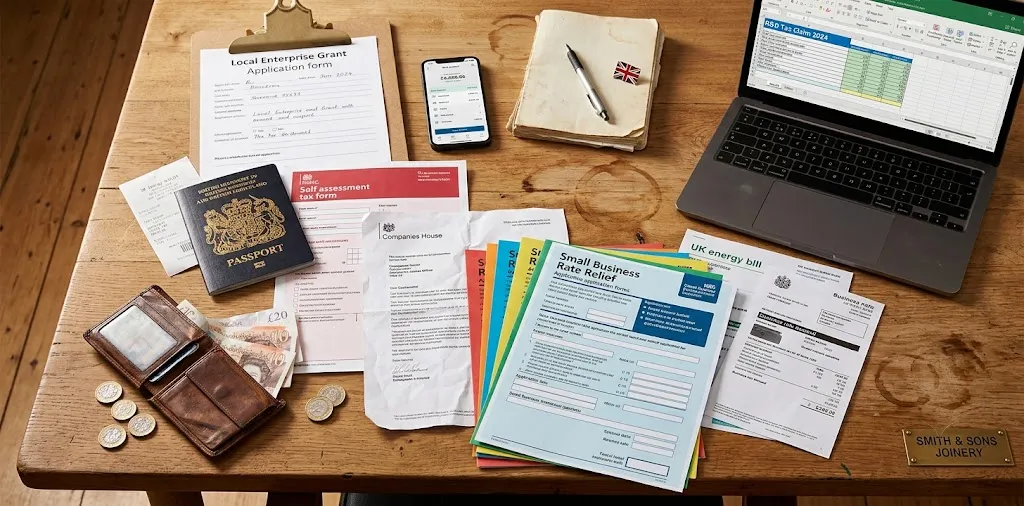
Small Business Rate Relief
If your shop, office, or site has a low rateable value, you may not have to pay business rates at all. Business rates are a tax on properties used for business. If your property has a rateable value of £12,000 or less, you can get 100% relief. That means you pay zero business rates. For properties valued between £12,001 and £15,000, the rate goes down on a sliding scale.
During my first year running a small print shop in Leeds, I nearly paid £3,500 in business rates because I assumed HM Revenue and Customs (HMRC) applied discounts automatically. A local accountant told me I had to apply through my local council myself. I filled out a short form online, and my bill dropped to zero in less than two weeks.
To claim this discount, follow these steps:
- Find your property rateable value on the UK government website.
- Contact your local council office.
- Ask for the Small Business Rate Relief application form.
- Fill out the form and send it back with your lease details.
Do not wait for the council to send you a bill. Check your property status today to see if you can stop paying this tax immediately. You can also read our related guide on setting up your business account to keep track of your tax savings.
Research and Development (R&D) Tax Relief
R&D tax relief helps small companies that work on new products or processes. You do not need to have a science lab with white coats to qualify. If you build new software, invent a tool, or make a physical product better and faster, you might get money back. This benefit lowers your Corporation Tax bill or gives you a cash payout if your business is losing money.
Under the current rules for small and medium businesses, you can claim back a large part of what you spend on staff wages, materials, and testing. Last year, I worked with a small bakery in Manchester that spent six months making a gluten-free bread recipe that would not crumble. They kept track of their flour costs and baker hours. They filed an R&D claim and received a £7,200 cash refund from HMRC.
Here are the main expenses you can claim:
- Wages and pension payments for staff fixing technical problems.
- Cost of raw materials used up during testing.
- Software bought specifically to develop the new item.
- Payments made to outside freelancers who helped solve technical issues.
Keep detailed records of all your testing work. Save your receipts and timesheets from day one so your accountant can file a strong claim.
Employment Allowance for Hiring Staff
If you employ staff, you must pay Class 1 National Insurance contributions on their earnings. The Employment Allowance lets eligible employers lower their yearly National Insurance bill by up to £5,000. This makes taking on new workers much cheaper for small shops, cafes, and offices across the UK.
You can claim this benefit if your business paid less than £100,000 in secondary Class 1 National Insurance during the last tax year. It applies to most private businesses, charities, and social enterprises. However, you cannot claim it if you are a single-director company with no other employees on payroll.
Follow this simple list to get your allowance:
- Open your payroll software program.
- Find the EPS (Employer Payment Summary) tab.
- Select ‘Yes’ in the Employment Allowance box.
- Send the form to HMRC through your software.
Once you tick that box, your software automatically stops taking employer National Insurance payments until your £5,000 limit runs out for the year. This gives you extra cash flow each month to reinvest in buying stock or marketing your business. For more help with staff costs, read our related guide on running UK payroll step by step.
Regional Growth Grants and Local Help
The UK government gives funds to local councils and Growth Hubs to support local businesses. Unlike loans, grant money does not need to be paid back. These funds are often meant for buying equipment, hiring staff, or updating your business energy systems to lower carbon emissions.
Grants depend on where your business is located. For example, local councils in Wales, Scotland, Northern Ireland, and English regions have different pools of money. Some grant schemes match the funds you put in. If you spend £2,000 on a new machine, the grant gives you £2,000 as well.
Here is how to find grants in your town:
- Visit the official Local Enterprise Partnership (LEP) site for your region.
- Contact your local Growth Hub advisor for free advice.
- Search the main UK government business finance support finder.
- Join your local Chamber of Commerce to hear about new funds early.
Grant funding changes quickly. Councils launch new funds each spring, and the money often runs out fast. Set up alerts on your local council website so you can apply the day a new grant opens.
Frequently Asked Questions
Find quick answers to common questions about UK business grants, tax relief rules, and saving money as a small business owner.
How do I apply for a UK small business grant?
Find local grants through your area Growth Hub website. Read the rules, prepare your business plan, show proof of costs, and submit your application online before funding runs out.
Can a sole trader get R&D tax relief?
No, R&D tax relief is only available to limited companies in the UK. Sole traders must operate as a registered limited company to claim R&D tax refunds from HMRC.
Do I have to pay taxes on government business grants?
Yes, most UK business grants count as taxable income. You must report grant money on your tax return alongside your regular sales income and pay Corporation Tax on it.
Conclusion
Getting help from UK tax breaks and government grants is one of the fastest ways to strengthen your small business. Millions of Pounds in tax relief go unclaimed every single year because owners think the forms are too hard to fill out. Whether you cut your business rates to zero, claim money back for creating new products, or save £5,000 on staff costs, these programs give you real cash to grow. Always keep clean financial records, keep your receipts safe, and talk with a registered accountant to make sure you claim every single Penny you are owed.
Your immediate next step is very simple: spend 10 minutes today checking your property rateable value on the government website and contact your local Growth Hub. Taking action right now can free up valuable cash to protect and grow your business this year.